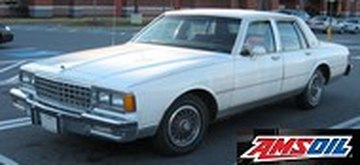
Lubrication Maintenance for the 1982 Chevrolet CAPRICE 5.7L Diesel
Maintaining a diesel engine requires a disciplined approach to fluid management and routine inspections. For the 1982 Chevrolet CAPRICE equipped with the 5.7L diesel engine, consistent attention to lubrication quality and system integrity is essential for long-term operation. Because diesel engines operate under different thermal and mechanical stresses than gasoline counterparts, following specific maintenance protocols helps ensure the engine remains in optimal condition.
Monitoring Fluid Integrity and Potential Leaks
A primary component of routine service involves a thorough visual inspection of the engine bay to identify any signs of fluid loss. For an older vehicle, it is practical to look for evidence of seepage around various connection points and sealing surfaces. Even small amounts of oil or other fluids appearing on the underside of components can indicate that a seal or gasket may be reaching the end of its service life.
When performing these inspections, consider the following:
- Sealing Surfaces: Check around the engine block and various covers for any signs of wetness or residue that could suggest seepage.
- Hoses and Connections: If present, inspect hoses for signs of cracking, softening, or swelling, which can lead to fluid loss.
- Drain Areas: Examine the area around the oil drain plug and filter mounting area to ensure there is no active dripping or staining.
If you notice any unexpected changes in fluid levels or observe new stains on driveway surfaces, these symptoms warrant further investigation. It is important to remember that a single symptom, such as an oily residue, can be associated with several different components; therefore, a professional diagnosis may be necessary to pinpoint the exact source.
Managing Engine Oil for Diesel Applications
The engine oil in a diesel application serves several vital roles, including managing heat and providing a protective barrier between moving parts. Over time, oil can become contaminated by various factors, which may lead to the formation of deposits or sludge if not addressed through regular service. Maintaining clean, high-quality lubricant is one of the most effective ways to manage these internal conditions.
When considering different types of lubricants, owners often evaluate several options:
- Conventional Oils: These are standard mineral-based oils that have been used for decades.
- Synthetic and Synthetic Blends: These formulations may offer different levels of thermal stability and resistance to oxidation compared to conventional oils.
- High-Mileage Formulations: Some high-mileage oil formulations contain additives intended for use in aging engines, such as seal-conditioning agents that may help maintain the pliability of certain components.
Regardless of the type chosen, ensuring the lubricant meets the appropriate API (American Petroleum Institute) service categories for diesel engines is a critical step in any maintenance routine.
Prioritizing Long-Term Engine Care
As vehicles age, maintenance strategies often shift from purely reactive repairs to more proactive monitoring. For the 1982 Chevrolet CAPRICE, establishing a clear understanding of the vehicle's current condition is more useful than relying solely on the age of the car. If you do not have a complete service history, your first priority should be to establish a maintenance baseline.
This process involves documenting all recent fluid changes, filter replacements, and any observed mechanical behaviors. By keeping detailed records, you can distinguish between routine preventive maintenance and repairs that are necessitated by active wear. If the vehicle has a documented history of consistent service, you can focus your attention on inspecting aging materials—such as belts (if equipped) or electrical connections—that may show signs of deterioration due to time and environmental exposure.
Addressing active concerns, such as a minor leak or an unusual noise, immediately is generally more effective than waiting for these issues to escalate. A disciplined approach to record-keeping allows you to track changes in lubricant consumption or appearance over months and years, providing valuable data for future service decisions.
Observing Potential Warning Signs
Being attentive to how the engine behaves during operation can provide early indications that something requires attention. While symptoms do not always point to a single specific failure, certain observations should never be ignored:
- Changes in Lubricant Appearance: If the oil appears excessively dark or has an unusual texture when checked, it may indicate contamination or extreme thermal stress.
- Unusual Mechanical Noises: Any new rhythmic sounds or knocking during engine operation warrants a prompt inspection.
- Exhaust Observations: Changes in the color or consistency of exhaust smoke can sometimes be associated with changes in internal combustion efficiency or lubrication levels.
- Warning Indicators: If any dashboard indicators related to oil pressure or temperature illuminate, the vehicle should be inspected immediately to prevent potential damage.
Because these signs can have multiple underlying causes, they should be treated as prompts for investigation rather than definitive proof of a specific component failure.
Routine Inspection of Auxiliary Components
Beyond the engine's internal lubrication, several peripheral components require periodic monitoring to ensure the overall health of the vehicle. For instance, if equipped with an accessory drive system, the belts should be inspected for signs of glazing, fraying, or cracking. Similarly, inspecting electrical connectors and wiring for corrosion or loose connections can prevent intermittent issues that might otherwise mimic mechanical problems.
If the vehicle is equipped with a cooling system, checking for visible leaks around hoses or the radiator can help prevent overheating, which is a significant concern for any engine. Regular visual checks of these components during an oil change provide an efficient way to catch minor issues before they lead to more significant service requirements.
Practical Guidance for Buying Engine Oil for your 1982 Chevrolet CAPRICE 5.7L
When it is time to replenish your engine's lubricant, the most important step is to ensure that the product you select matches the specific requirements of your diesel engine. Do not rely on general automotive knowledge or assumptions based on the vehicle's age to determine which oil to purchase.
To make an informed decision, always match the engine oil to the application-specific viscosity information shown above on this page. Before completing your purchase, carefully check the product labeling to verify that the oil meets the necessary API service specifications for a diesel application. Whether you choose a conventional, synthetic blend, or full synthetic formulation, the priority must remain on adhering to the specific technical data provided for this 1982 Chevrolet CAPRICE 5.7L.